
Cancer Is Now a Chronic Disease and Prevention Matters More Than Ever
Updated: Sep 9

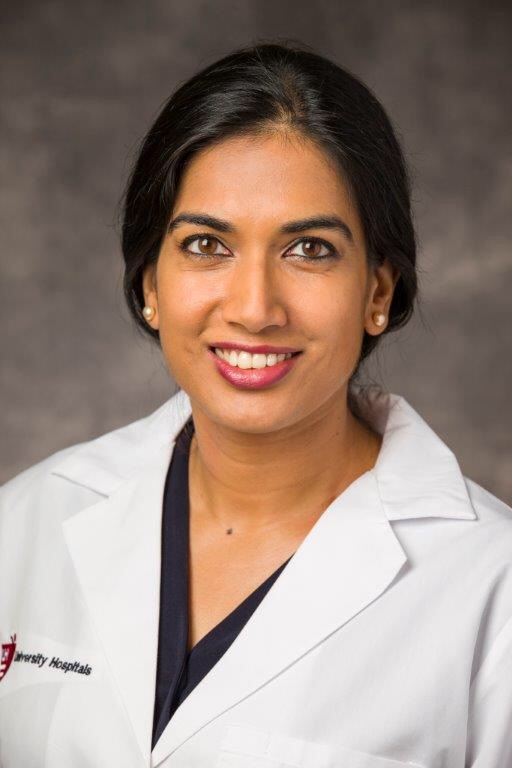
Written by Dr Saneka Chakravarty, MD, FACC. Dr Chakravarty is a board-certified cardiovascular disease specialist focused on personalized preventive cardiovascular care.
For much of modern medical history, a cancer diagnosis was often synonymous with a shortened life expectancy. That narrative is changing.
Today, nearly 70% of people diagnosed with cancer will survive at least five years, a remarkable improvement from just 49% in the mid-1970s. Advances in treatment, earlier detection, and better supportive care have transformed cancer, for many patients, into a chronic and manageable condition rather than an immediately fatal one.
This is real progress. But it is not the full story.
The 70% Survival Statistic: What It Gets Right and What It Misses
Five-year survival rates are an important milestone, but they require context. Survival today is exceptionally high for certain cancers:
Thyroid and prostate cancer: ~98%
Testicular cancer and melanoma: ~95%
At the same time, outcomes remain poor for others:
Pancreatic cancer: ~13%
Liver and esophageal cancer: ~22%
Lung cancer: ~28%
These differences reflect not just treatment quality, but tumor biology, stage at diagnosis, and whether effective screening exists. Cancer is not one disease, and survival gains have not been evenly distributed.
Why Survival Has Improved
Improved cancer survival reflects several overlapping forces:
1. Genuine therapeutic breakthroughs
Targeted therapies and immunotherapies have fundamentally changed outcomes for some cancers. Chronic myeloid leukemia is a clear example , once rapidly fatal, now often compatible with near-normal life expectancy. Similar advances have nearly doubled survival in multiple myeloma.
2. Earlier detection through screening and imaging
Screening for breast, prostate, and colorectal cancer , along with widespread imaging , has shifted diagnosis toward earlier stages, when treatment is more effective.
3. Changes in what we diagnose as “cancer”
Increased detection of slow-growing or indolent tumors has improved survival statistics, even when mortality has not changed. In pancreatic cancer, for example, part of the survival gain reflects increased detection of rare, slow-growing neuroendocrine tumors , not better outcomes for aggressive adenocarcinoma.
This distinction matters. Survival statistics can improve without meaningfully reducing the overall burden of disease.
When Cancer Becomes Chronic, New Challenges Emerge
Living longer with cancer brings new realities:
Long-term treatment side effects
Financial and emotional toxicity
Ongoing surveillance and uncertainty
The need for survivorship care that extends years beyond diagnosis
For patients with advanced or treatment-resistant disease, survival gains remain modest. In these cases, clear communication, shared decision-making, and alignment with patient goals become as important as any therapy.
Chronic disease management is not just about prolonging life , it is about quality of life.
The Preventiononly Perspective: Why Prevention Still Matters Most
The shift toward cancer as a chronic disease does not diminish the importance of prevention. It amplifies it.
More than 40% of cancers are potentially preventable through:
Tobacco avoidance
Healthy weight and physical activity
Diet and alcohol moderation
Vaccination (HPV, hepatitis B)
Reducing environmental and occupational exposures
Earlier detection saves lives, but preventing cancer altogether saves far more — by avoiding treatment toxicity, lifelong surveillance, and chronic illness.
If cancer is increasingly a condition people live with, then prevention becomes the most scalable, equitable, and humane strategy we have.
Looking Ahead
The future of cancer care will not be defined by treatment alone. It will be shaped by:
Earlier risk identification
Personalized prevention strategies
Smarter screening
Long-term survivorship planning
Honest conversations about goals of care
In upcoming posts, we’ll continue to explore what it really means to live in an era where cancer is often chronic and why prevention must remain at the center of modern healthcare.
At Preventiononly, we believe the most powerful cancer treatment is the one you never need. To sign up for our membership, visit-https://www.preventiononly.com/membership
Reference: https://doi.org/10.3322/caac.70043


Comments